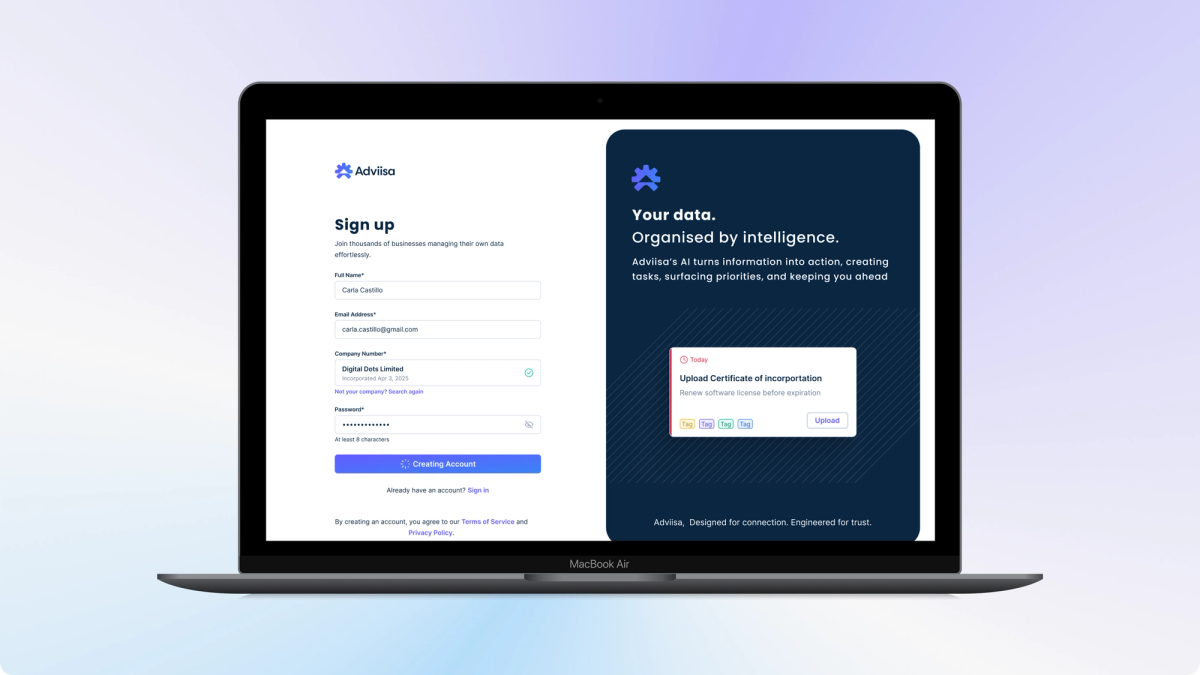
End-to-end product and brand design for a multi-role compliance SaaS platform built for structured, secure data management.
Yoono is an AI-powered due diligence platform that helps teams research individuals by aggregating and analysing large volumes of publicly available information. The platform combines an AI assistant with a web interface that allows users to review, validate, and interpret findings before generating structured reports. I joined Yoono at an early stage, working closely with the CXO, engineers, and a dedicated researcher. The product was still evolving, with no clearly defined target audience, so the design needed to support rapid iteration while remaining flexible and scalable as the direction evolved.
Yoono Ltd
2024–2025
Senior → Lead Product Designer (end-to-end)
The core challenge was volume and complexity.
The AI surfaced large amounts of information per individual, much of which required human validation. This resulted in dense, content-heavy screens that were difficult to navigate and cognitively overwhelming for users.
When I joined, an initial product design already existed, but the overall experience was fragmented and difficult to scale. The platform had:
There was also a broader product challenge: the AI assistant and the platform often felt like two separate products rather than one coherent experience. At the same time, the team was still learning who the product was really for, which meant the design needed to remain adaptable as the product direction shifted.
I was initially hired as Senior Product Designer and later stepped into a Lead Product Designer role, owning the product design end to end. I worked closely with the CXO, engineers, and a researcher to translate product direction into clear UX and UI solutions, define user flows and information architecture, evolve the design system, and ensure the platform could scale as new features were introduced.
Visual breakdown of social activity, surfacing influence patterns and recurring themes across platforms.
When I joined, the focus was initially on adding new features to an existing design. As the product grew, it became clear that this approach wouldn’t scale. The work shifted towards rethinking the experience as a more cohesive, dashboard-led product.
In the early phase, I focused on bringing clarity and structure to a rapidly evolving product. This meant establishing hierarchy for AI-generated content, designing modular components, mapping multi-step workflows, and working closely with engineers to understand technical constraints.
The goal was to make large volumes of information easier to review and act on without overwhelming users.
As the product matured, I worked closely with the researcher to support usability testing. I created high-fidelity wireframes and prototypes specifically for testing, ensuring scenarios and flows could be properly evaluated with users.
The researcher led the sessions and gathered feedback, which we reviewed together. I then iterated on the designs based on user insights and stakeholder input, refining workflows, improving clarity, and validating assumptions as the product direction became clearer.
As part of the shift toward a more SaaS-style dashboard approach, I explored ways to break complex information into manageable sections, surface key insights at a glance, and support workflows across multiple profiles. I also refined how AI outputs were embedded within the interface so they felt helpful rather than intrusive.
The designs shown here explore a future-facing direction for the product rather than the live implementation.
Structured career timeline combining CV validation, role verification, and discrepancy detection.
Interactive network mapping showing leadership continuity, company overlaps, and potential concentration of influence.
Visual summary of achievements and background signals, blending narrative insight with structured data.
AI-generated executive overview synthesising public data, leadership context, and potential risks into a clear summary.
Although much of the work was internal and future-facing, the design helped reduce cognitive overload when reviewing AI-generated data, clarify complex workflows, align stakeholders around a more scalable direction, and build a stronger foundation for future development.
The dashboard-led approach created a clearer mental model for how users interact with the platform, bringing the AI assistant and web experience into a more cohesive product.
Balancing technical constraints, evolving business goals, and real user needs was central to the process. A key challenge was presenting AI-generated content in a way that felt useful rather than overwhelming, refining hierarchy, workflows, and levels of user control. It was rewarding to help shape a product still evolving, while supporting both immediate delivery and long-term growth.
Customisable report view with adjustable sensitivity filters for safer external sharing.
Customisable export view allowing users to choose layout, format, and presentation style based on their audience.
End-to-end product and brand design for a multi-role compliance SaaS platform built for structured, secure data management.
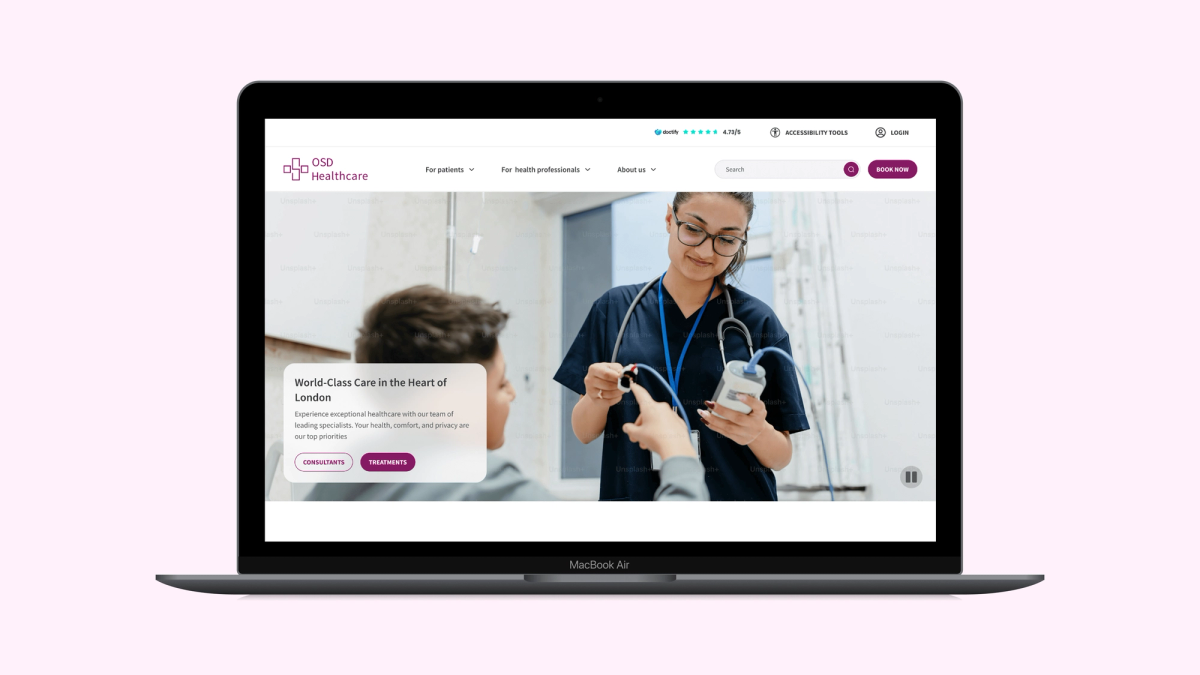
UX and UI redesign of a healthcare website, focused on improving accessibility, navigation, and clarity across complex medical content.
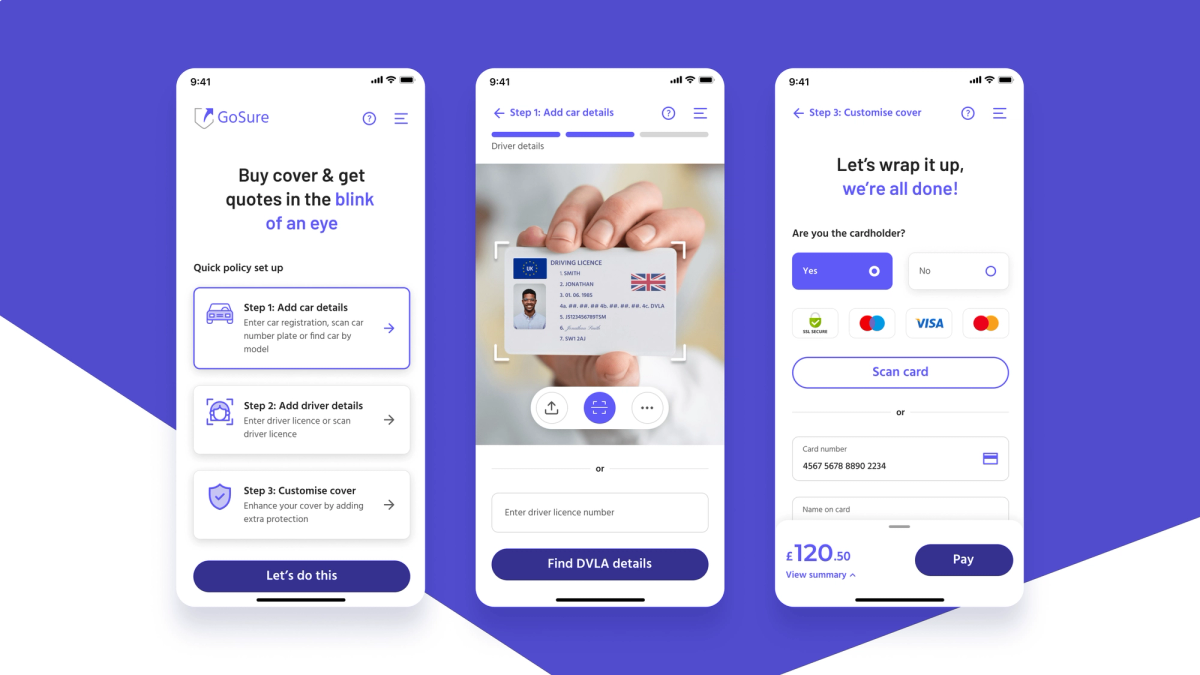
A bold new mobile-first brand built from scratch to unify digital products and spark innovation across Covea’s platforms.
Have a project in mind? I'm available for new opportunities and love designing thoughtful, user-friendly digital products, whether it's UX/UI for web and mobile apps, SaaS platforms, or something new.
Get in touch